
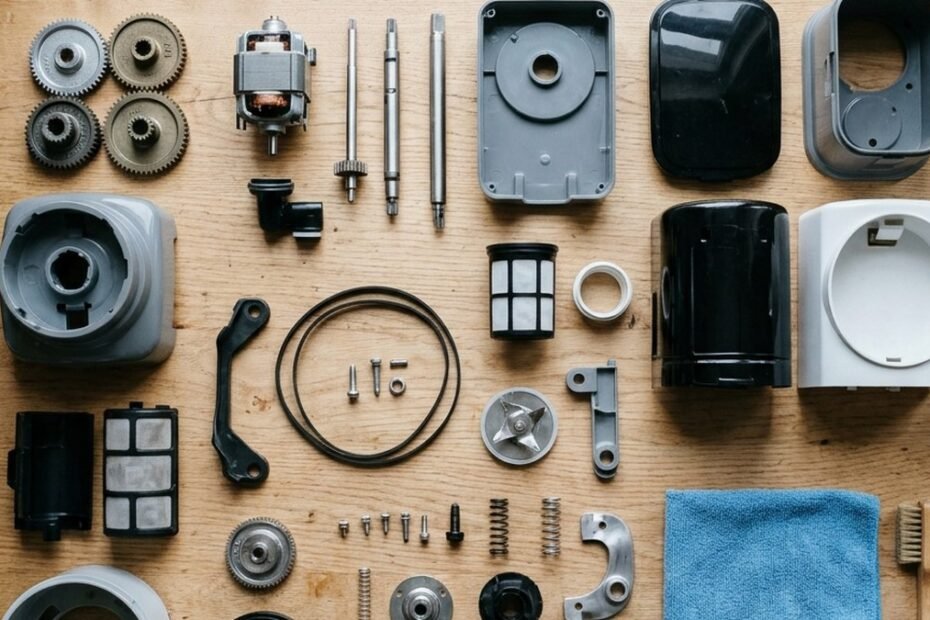
Buying Devices Without Local Parts: Pre-Purchase Checks
Learn what to check before buying hardware without local spare parts: verify full model suffixes, confirm part numbers, and plan e-waste recycling.
Research archive
China technology, AI, robotics, consumer electronics, sourcing signals, and product opportunities explained for global readers.
Learn what to check before buying hardware without local spare parts: verify full model suffixes, confirm part numbers, and plan e-waste recycling.

Learn what to check when a China tablet fails to install Google Play services, including Play Protect verification and official escalation procedures.

Understand how open weights differ from open-source licences like Apache 2.0, exploring custom model agreements and key legal compliance steps.

Learn what to check before buying appliances without local spare parts, from exact model suffixes and manufacturer support to proper e-waste disposal.
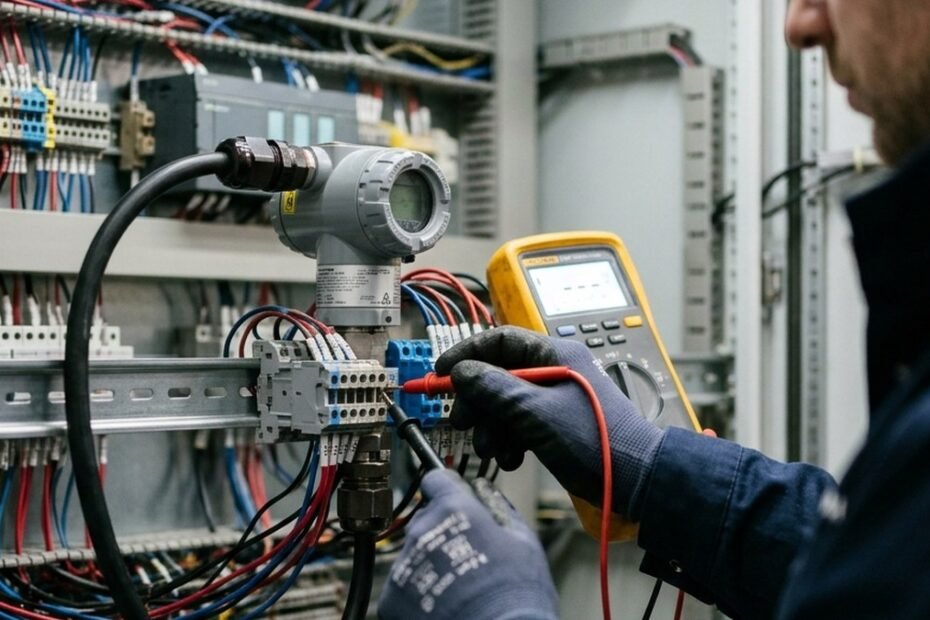
Learn how to wire a two-wire 4–20 mA pressure transmitter to a PLC analog input, verify the 250 Ω burden resistor, and scale the current signal.

Evaluate commercial terms for Qwen2.5-72B-Instruct, the 100M MAU rule, Section 5b attribution, and how it differs from Apache 2.0 Qwen models.

Learn why robot vacuum parts from the same series may not be interchangeable, how conditional fits work, and how to verify compatibility before ordering.
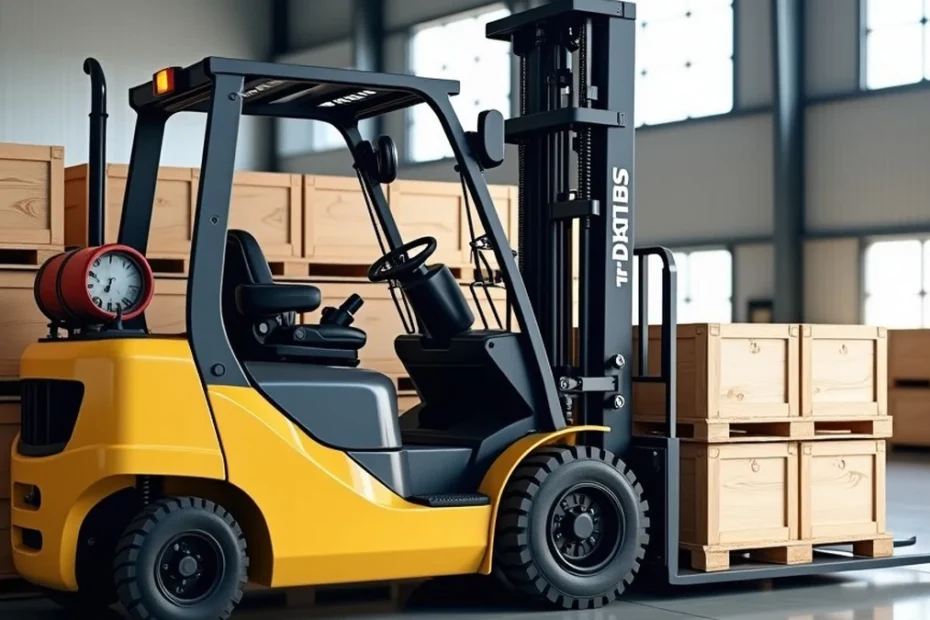
The TR CU 010 version in force since 1 Sep 2026 moves forklifts and construction machinery from DoC to CoC. Some clauses wait until 2028.
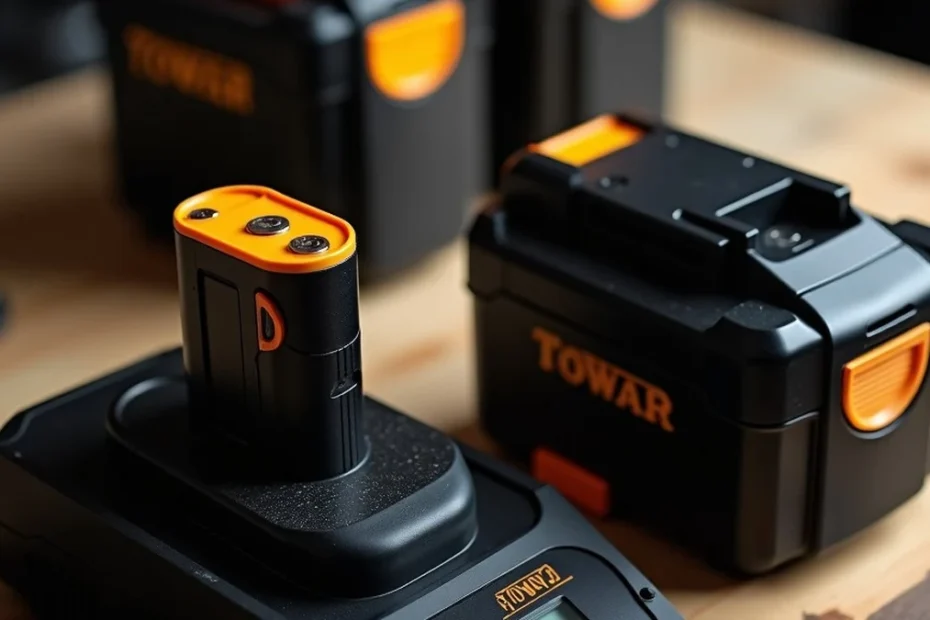
Cheap tool packs hide cell overstatement, charge bottlenecks and thin protection boards. Weigh, discharge once, read the cell codes before you reorder.

MF or UF on the base of a melamine bowl; 201 or 304 on a steel plate. Field checks before buying, and why TR CU 005 governs the Russian side.