01 Why Blade Battery 2.0 Matters: Moving Beyond Safety to Full-Spectrum Operational Performance
In March 2020, BYD officially introduced the original Blade Battery. Featuring an elongated, flat cell form factor, module-less Cell-to-Pack (CTP) integration, and the ability to pass rigorous nail-penetration testing without emitting smoke or catching fire, the first-generation Blade Battery fundamentally altered global automotive perception regarding the safety boundaries and volumetric efficiency of lithium iron phosphate (LFP) chemistry, catalyzing its resurgence across global passenger electric vehicles.
However, as global electric vehicle adoption accelerated rapidly between 2024 and 2026, the competitive focus of the battery industry and real-world consumer priorities underwent a distinct shift: the core operational friction point transitioned from baseline nominal range toward cold-climate resilience and replenishment efficiency that approaches conventional refueling times.
On March 5, 2026, BYD officially unveiled Blade Battery 2.0 alongside its proprietary ultra-high-power FLASH Charging system in Shenzhen .
According to official BYD disclosures and technical releases, Blade Battery 2.0 was engineered not as an isolated single-metric upgrade, but as a coordinated advancement across four core operational dimensions while preserving baseline safety integrity:
• Accelerated Charging Throughput: Supported by BYD’s proprietary FLASH Charging Stations, official manufacturer tests demonstrate replenishment from 10% to 70% State of Charge (SOC) in 5 minutes, and from 10% to 97% SOC in 9 minutes ;
• Extreme Cold-Climate Replenishment: Under official laboratory test conditions at -30°C, replenishment from 20% to 97% SOC requires 12 minutes ;
• Energy Density and Whole-Vehicle Range Synergy: BYD states that cell-level energy density increased by more than 5% compared with the original Blade Battery ; combined with whole-vehicle lightweighting and powertrain efficiency optimization, the DENZA Z9GT achieved an official range of 1036 km under China’s CLTC cycle ;
• Reinforced Safety and Durability Standards: After enduring 500 high-power FLASH Charging cycles, cells successfully passed simultaneous charging and nail-penetration testing with zero thermal runaway, smoke, or fire , while overall warranty capacity-retention performance improved by 2.5% .
Importantly, as of the verification baseline date of this whitepaper, official BYD domestic and international documentation explicitly continues to classify Blade Battery 2.0 within the lithium iron phosphate (LFP) technology framework . Unverified industry speculations regarding alternative cathode chemistries, specific elemental doping ratios, silicon-carbon composites, or third-party energy density figures are strictly excluded from confirmed engineering specifications.
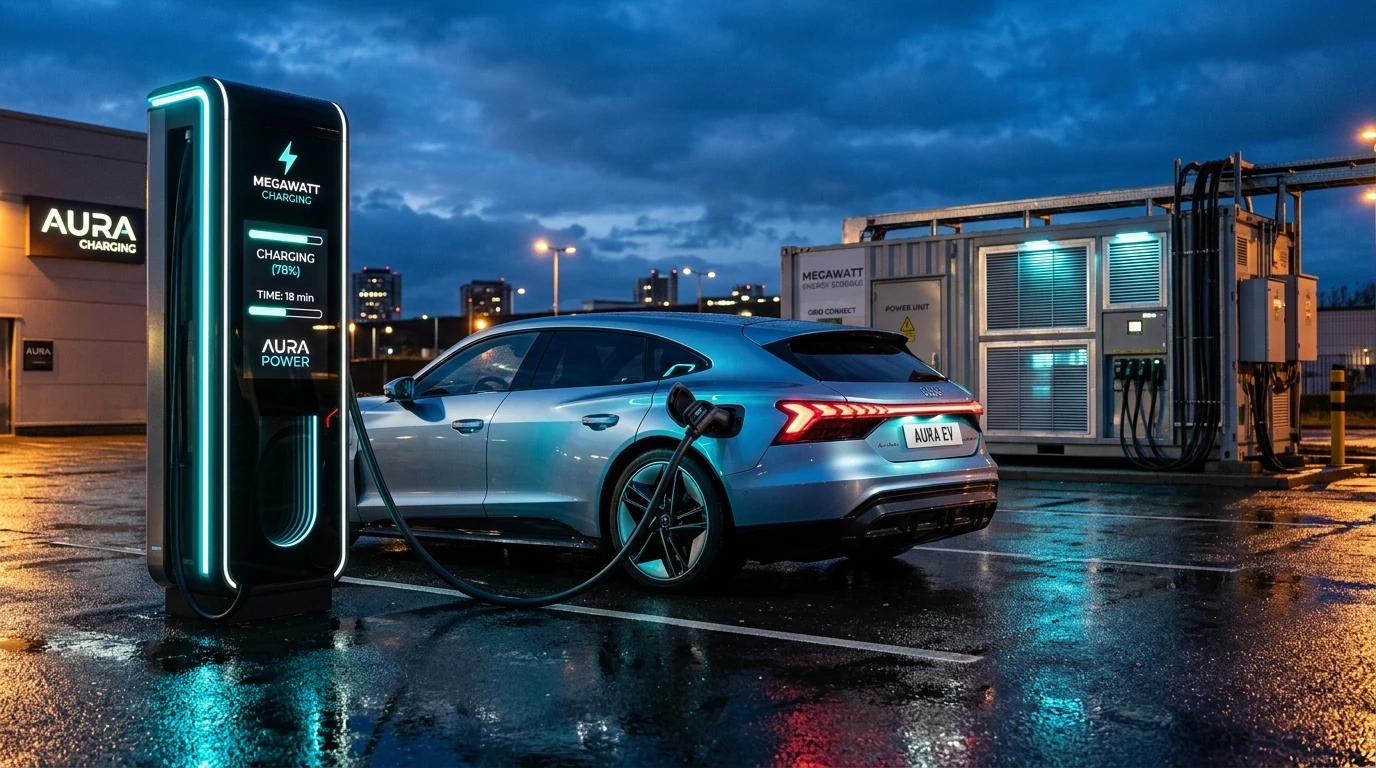
Figure 1: Conceptual illustration of the coordinated battery–vehicle–charger–storage–grid ecosystem. FYZSXNB Editorial Graphic (Tier V4). Conceptual system schematic – not an engineering production blueprint.
02 What Internal Battery Modifications Were Actually Disclosed? Deconstructing the FlashPass System
The core engineering breakthrough of Blade Battery 2.0 does not stem from an officially announced change in underlying chemical taxonomy, but rather from a comprehensive reconstruction of internal lithium-ion transport kinetics.
BYD technical documentation designates this architecture as the FlashPass Ion Transport System , comprising coordinated micro-structural optimizations across the cathode, electrolyte, anode, and Solid Electrolyte Interphase (SEI) layer:
┌────────────────────────────────────────────────────────────────────────────────────────┐
│              BYD FLASHPASS ION TRANSPORT SYSTEM (OFFICIAL DISCLOSURE)                  │
├────────────────────────────────────────────────────────────────────────────────────────┤
│   A. Flash-Release Cathode: Directionally engineered multi-level particle sizing       │
│   B. Flash-Flow Electrolyte: AI-driven precision optimization for high ionic mobility  │
│   C. Flash-Intercalate Anode: Perpendicular graphite alignment creating 3D channels   │
│   D. Self-Repairing SEI: Ultra-thin, dense layer with dynamic self-healing capability  │
└────────────────────────────────────────────────────────────────────────────────────────┘
2.1 Flash-Release Cathode: Directional De-intercalation and Particle Grading
On the cathode side, official disclosures detail the implementation of Flash-Release cathode engineering:
• Multi-Level Particle Size Grading: By precisely calibrating the particle size distribution and geometric packing density, solid-state lithium-ion diffusion distances out of the crystal lattice are minimized while maintaining high volumetric tap density;
• Directional Transport Pathways: Crystal boundary orientations are aligned to lower internal solid-phase diffusion impedance, accelerating ion de-intercalation under elevated charge and discharge rates.
2.2 Flash-Flow Electrolyte: AI-Driven Precision Optimization
Elevated charging rates typically induce severe concentration polarization and localized thermal accumulation within the liquid electrolyte. Official releases describe the Flash-Flow electrolyte formulation:
• AI-Assisted Molecular Optimization: Utilizing AI-driven molecular dynamics algorithms to simulate and optimize solvent and solute interaction dynamics;
• Elevated Ionic Conductivity and Mobility: Substantially enhancing liquid-phase ion transit velocity and lowering polarization resistance, which markedly reduces internal cell heat generation across both ambient and sub-zero operating environments.
2.3 Flash-Intercalate Anode: Perpendicular Graphite Alignment and 3D Ingestion
Anode polarization and lithium plating represent the primary physical bottlenecks in ultra-fast charging. BYD officially discloses the deployment of Flash-Intercalate anode technology:
• Perpendicular Electrode Alignment: Utilizing high-throughput electrode restructuring processes, graphite particles (Graphite Particles) are aligned perpendicularly to the electrode plane , eliminating the high tortuosity path typical of traditional planar-coated graphite flakes;
• 360° 3D Rapid Ingestion Sites: Multi-dimensional lithium insertion sites allow rapid, omni-directional ion intercalation into the graphite lattice, suppressing the thermodynamic tendency toward surface lithium plating under peak current flows.
2.4 Ultra-Thin, Dynamically Self-Repairing SEI Layer
Interfacial resistance governs the ease with which desolvated lithium ions cross the electrolyte-electrode boundary. Technical disclosures highlight:
• Ultra-Thin, Dense Morphology: The in-situ generated SEI layer features an ultra-thin cross-section and high structural density, lowering interfacial charge-transfer resistance;
• Dynamic Self-Healing Stability: Demonstrating robust chemical stability and dynamic microscopic self-repair characteristics across repetitive high-rate cycling, safeguarding interfacial longevity.
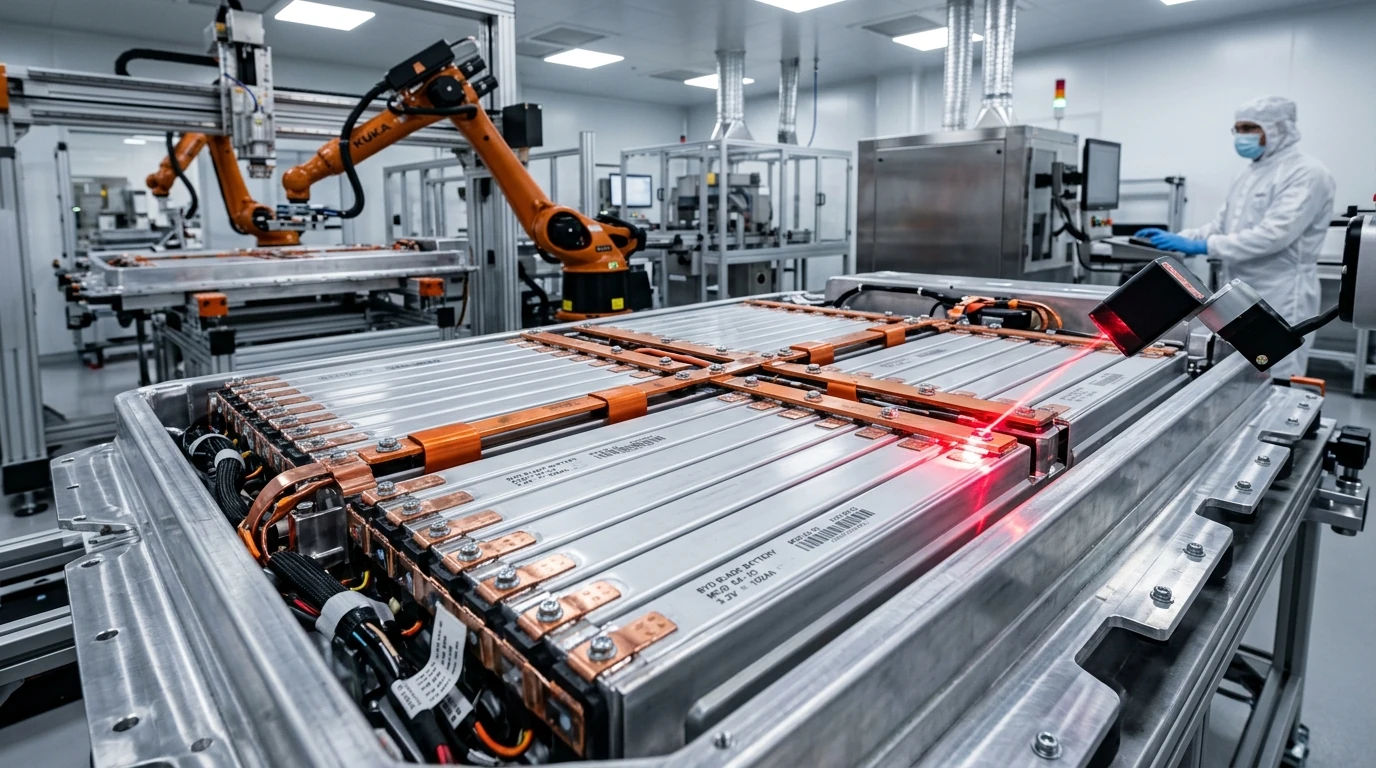
Figure 2: Microscopic ion transport kinetics reconstruction of the FlashPass system across cathode, electrolyte, anode, and SEI layers. (Source: BYD Technical Whitepaper [SRC-BYD-002])
03 What Do 5 Minutes, 9 Minutes, and 12 Minutes at -30°C Actually Mean? Engineering Boundaries
In technical battery and charging analysis, exact charging intervals must be strictly paired with their corresponding State of Charge (SOC) windows and hardware testing conditions.
┌────────────────────────────────────────────────────────────────────────────────────────┐
│                   OFFICIAL CONTROLLED CHARGING METRICS & BOUNDARIES                    │
├────────────────────────────────────────────────────────────────────────────────────────┤
│   • 10% ➔ 70% Ambient Replenishment: 5 Minutes (Manufacturer test with FLASH Charger)  │
│   • 10% ➔ 97% Ambient Replenishment: 9 Minutes (Final 3% enters cell-balancing trickle)│
│   • 20% ➔ 97% -30°C Cold Replenishment: 12 Minutes (Low-impedance channels + thermal)  │
│   • FLASH Charger Rated Capacity: Up to 1,500 kW (Single-connector Chinese specification)│
└────────────────────────────────────────────────────────────────────────────────────────┘
3.1 Engineering Significance of Core SOC Windows
• 10% to 70% in 5 Minutes : Represents the primary operational window for long-distance highway travel, where drivers seek to rapidly restore baseline transit range;
• 10% to 97% in 9 Minutes : Demonstrates the cell’s ability to maintain high charging throughput through upper SOC tiers (70% to 97%). The remaining 3% capacity is governed by Battery Management System (BMS) cell-voltage balancing and overcharge protection, transitioning into low-current trickle charging;
• Factual Boundary: These official figures reflect controlled manufacturer test procedures; they must not be generalized or misrepresented as “0% to 100% full charge in 5 minutes.”
3.2 Proper Interpretation of the 1,500 kW Charger Rating
BYD’s announced 1,500 kW (1.5 MW) figure represents the maximum rated output capacity of a single connector on its proprietary FLASH Charger (Chinese-market specification):
• Dynamic Power Curve: Battery charging acceptance follows a non-linear electrochemical polarization curve dictated by SOC, temperature, and individual cell voltages; the vehicle does not draw a flat 1,500 kW across the entire 10% to 97% window;
• No Vehicle Voltage Derivation: Delivered power is the product of voltage and current ($P = V \times I$). Without explicit Tier 1 disclosures, charger peak output cannot be used to arbitrarily infer the underlying voltage platform of the vehicle chassis.
3.3 Engineering Synergy in -30°C Extreme Cold
Under official laboratory test conditions at -30°C, Blade Battery 2.0 demonstrated replenishment from 20% to 97% SOC in 12 minutes :
• Physical Mechanism: This capability relies on the FlashPass low-impedance transport system minimizing internal cell polarization, operating in direct concert with whole-vehicle all-temperature intelligent thermal management for rapid heat exchange;
• Attribution Discipline: Official documentation attributes this performance to reduced internal resistance and rapid ion kinetics; external brand-specific heating terminology is strictly omitted.
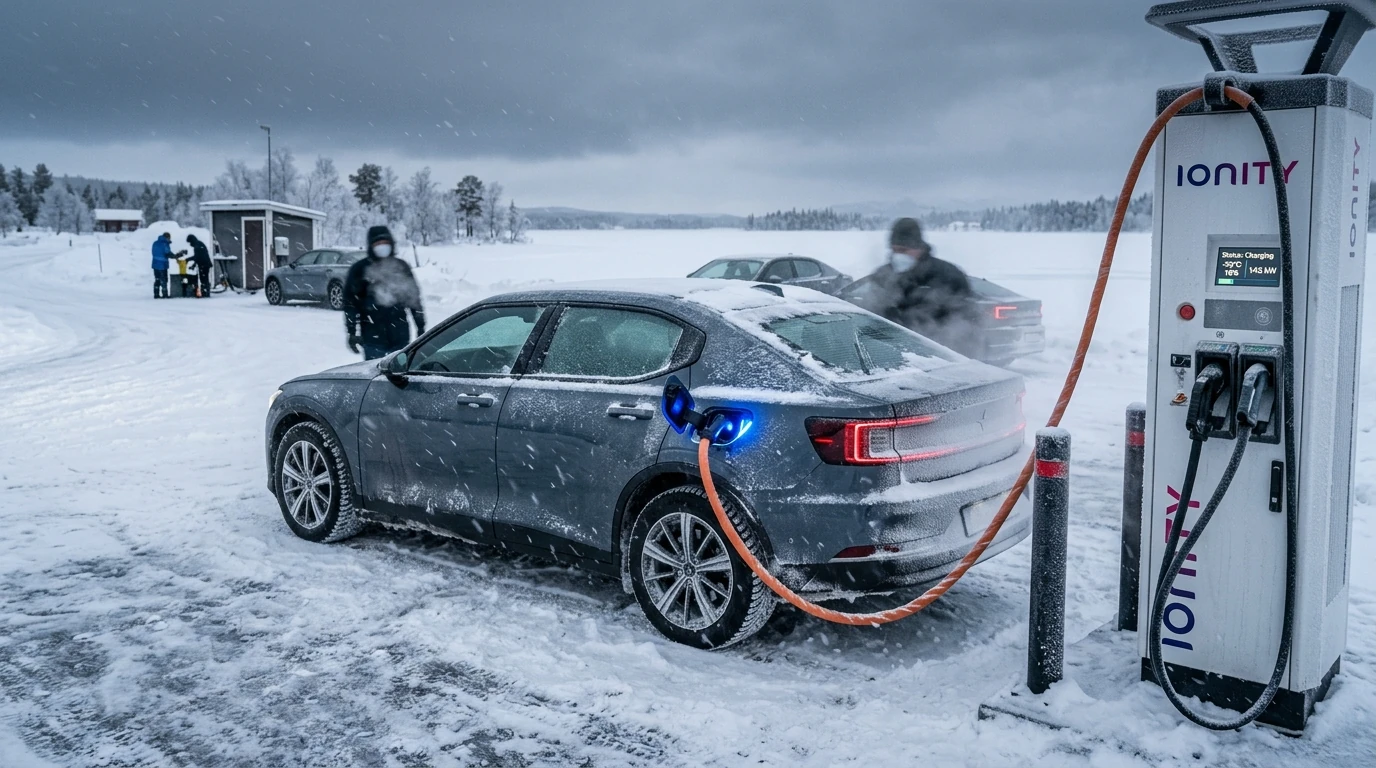
Figure 3: Official charging throughput test benchmarks across standard ambient conditions and -30°C extreme cold environments. (Source: BYD Official Test Reports [SRC-BYD-001])
04 Why 1.5 MW Is a System, Not Just a Charger: Vehicle–Charger–Storage–Grid Architecture
Megawatt-scale charging cannot exist as an isolated battery metric. It requires seamless co-design across cell chemistry, vehicle power electronics, charging terminals, on-site energy storage buffers, and the broader electrical grid.
┌────────────────────────────────────────────────────────────────────────────────────────┐
│               VEHICLE-CHARGER-STORAGE-GRID SYSTEMIC CO-DESIGN ARCHITECTURE             │
├────────────────────────────────────────────────────────────────────────────────────────┤
│   [Local Electrical Grid]                                                              │
│         │ (Steady, moderate power replenishment / Mitigating surge peaks)              │
│         ▼                                                                              │
│   [On-Site Ultra-Fast-Discharge Storage Buffer] ➔ "Energy Reservoir & Power Amplifier" │
│         │ (High-rate instantaneous discharge during vehicle charging)                  │
│         ▼                                                                              │
│   [FLASH Charger Terminal / Up to 1,500 kW] ➔ Liquid-cooled lightweight cabling        │
│         │ (Megawatt-class current delivery)                                            │
│         ▼                                                                              │
│   [Vehicle Traction Battery / Blade Battery 2.0] ➔ FlashPass rapid ion absorption      │
└────────────────────────────────────────────────────────────────────────────────────────┘
4.1 Why 1.5 MW Charging Does Not Require the Local Grid to Deliver 1.5 MW Instantaneously
Deploying multiple megawatt-class chargers within a traditional distribution network typically introduces severe grid transformer expansion bottlenecks and peak-load constraints.
BYD technical disclosures detail an on-site energy storage buffering architecture :
• Energy Reservoir: In stations equipped with an ultra-fast-discharge energy storage system, the stationary battery pack draws steady, moderate power from the local grid during idle periods, executing continuous peak-shaving;
• Power Amplifier: When an EV initiates a high-power FLASH session, the on-site storage system discharges concurrently with the grid feed to deliver peak terminal power. Consequently, peak connector output does not require the local distribution grid to absorb identical instantaneous load spikes;
• System Constraints: Grid connection capacity, stationary storage sizing, physical site footprint, and concurrent multi-vehicle demand remain definitive system-level boundary conditions.
4.2 Network Deployment Status and Announced Targets
• Chinese Domestic Rollout: As of the March 5, 2026 launch, BYD had commissioned 4,239 FLASH Charging Stations in China (installed in service) , with an announced target to reach 20,000 stations by the end of 2026 ;
• Cloud-Coordinated Scheduling: Utilizing cloud management algorithms to coordinate pre-arrival battery thermal conditioning, stationary storage balancing, and adaptive power allocation.
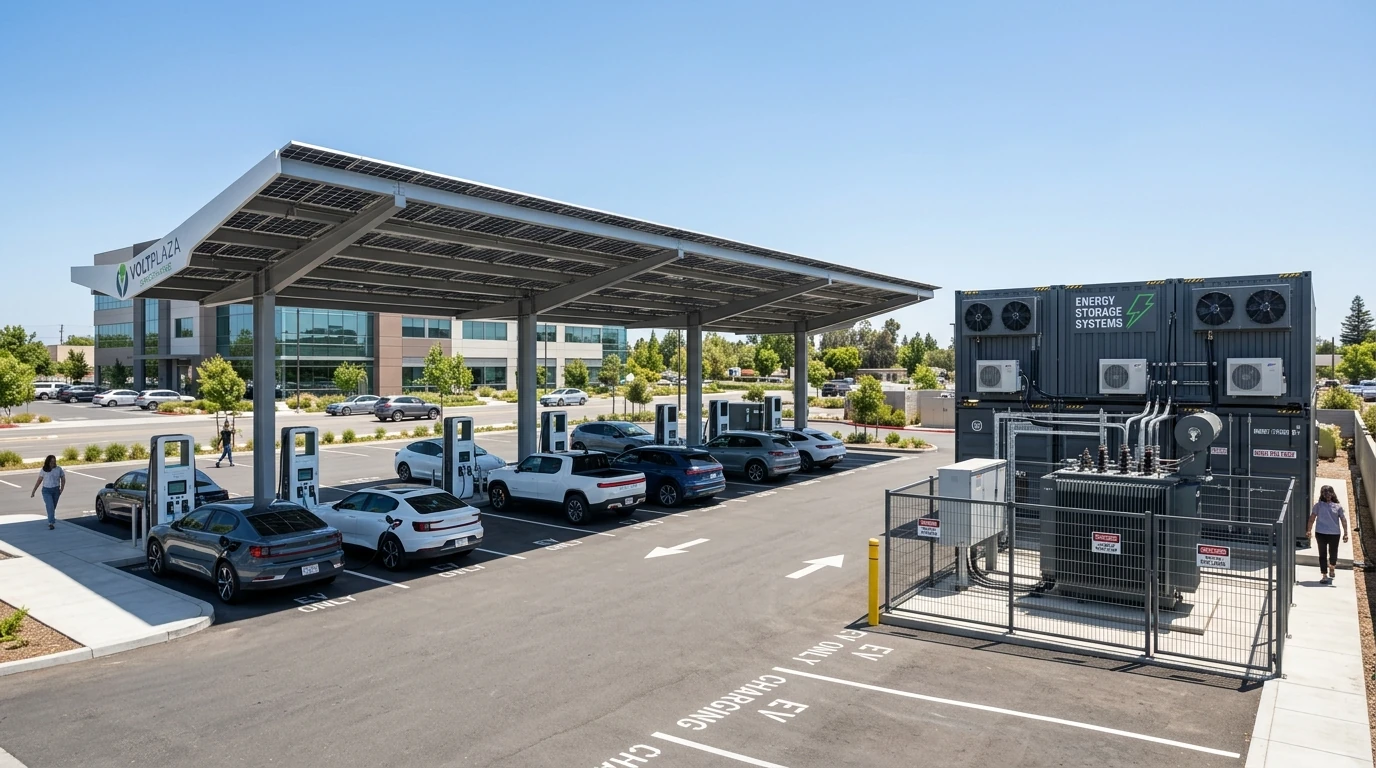
Figure 4: Station-side ultra-fast-discharge energy storage buffer architecture decoupling grid peak demand from vehicle megawatt delivery. (Source: BYD Infrastructure Whitepaper [SRC-BYD-002])
05 Safety and Durability: 500 FLASH Cycles Before Nail Testing, Bottom Impact, and 4-Cell Stress
Safety remains the primary design pillar of the Blade Battery lineage. Under elevated charging rates, Blade Battery 2.0 established a set of stringent manufacturer test benchmarks.
5.1 Simultaneous Charging and Nail Penetration After 500 FLASH Cycles
According to BYD technical test disclosures :
• Test Condition: After undergoing 500 consecutive high-power FLASH Charging cycles , the pack was subjected to direct steel nail penetration while actively connected to a high-rate charging current;
• Test Outcome: Cells exhibited zero thermal runaway, zero smoke emission, and zero ignition, validating lattice structural integrity and interfacial stability under sustained electrochemical stress.
5.2 10× New National Standard Bottom Impact Test
Leveraging Cell-to-Body (CTB) structural integration, the Blade Battery 2.0 pack successfully withstood a bottom-impact test executing 10 times the impact force required by China’s new national standard (manufacturer test claim) , demonstrating mechanical protection against road debris and underbody scraping.
5.3 Four-Cell Simultaneous Forced Short-Circuit Test
Regarding thermal propagation containment:
• Test Protocol and Outcome: In a 4× national-standard thermal propagation test where 4 adjacent cells were simultaneously forced into an internal short circuit , the battery pack exhibited zero fire and zero explosion under test conditions where localized temperatures exceeded 700°C ;
• Containment Mechanism: The pack architecture successfully isolated localized cell destruction, preventing catastrophic pack-level thermal propagation.
5.4 Warranty Capacity Retention Performance
Regarding long-term operational durability, BYD officially states that Blade Battery 2.0 achieves a 2.5% overall improvement in warranty capacity-retention performance compared with the original Blade Battery baseline (reflecting improved degradation resistance, rather than limiting lifetime degradation to 2.5%).
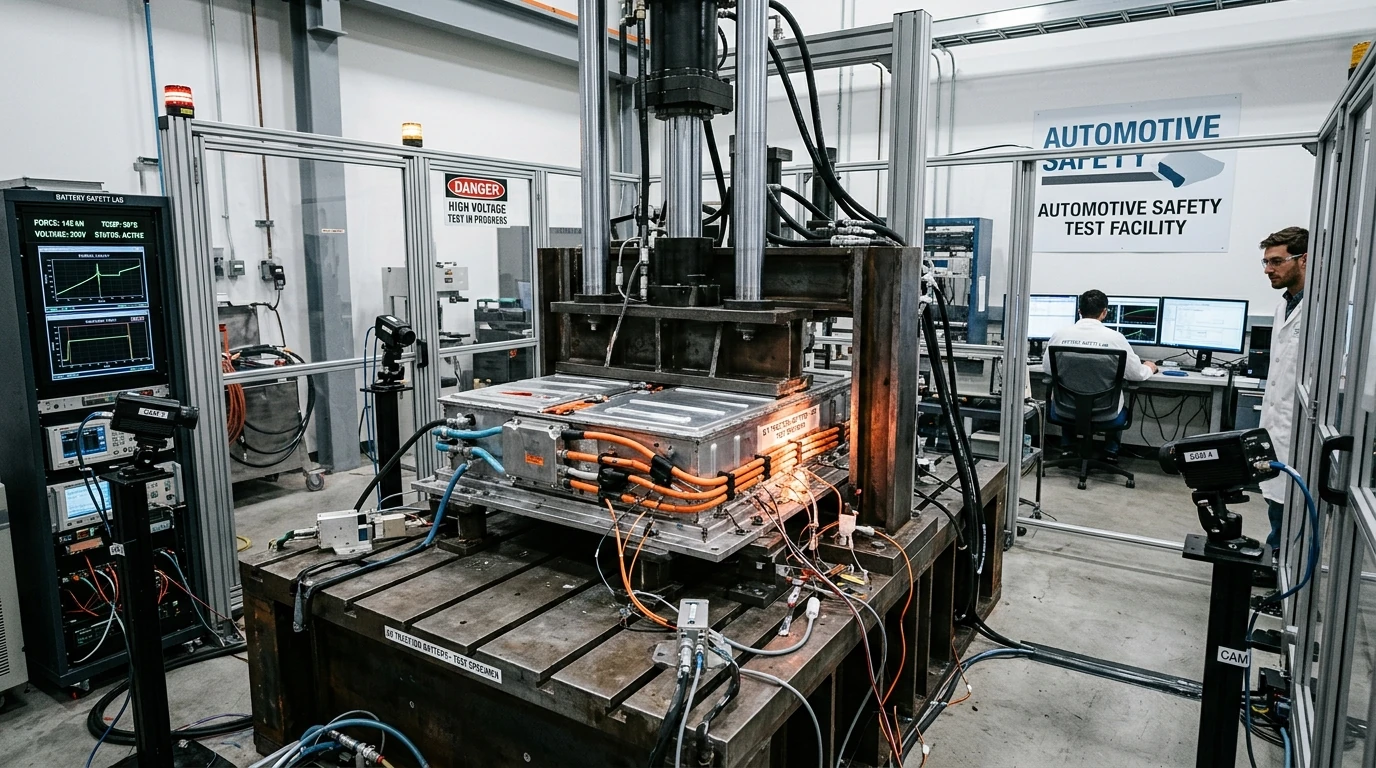
Figure 5: Official safety validation benchmarks: simultaneous charging nail test after 500 FLASH cycles, 10× bottom impact, and 4-cell thermal diffusion at >700°C. (Source: BYD Safety Releases [SRC-BYD-002])
06 Which Vehicles Carry Blade Battery 2.0? China Verified Deployment Matrix
Blade Battery 2.0 and FLASH Charging are expanding rapidly from technology flagships into high-volume mainstream production vehicles across the Chinese domestic market.
Table 1: China Domestic Market Officially Confirmed Blade Battery 2.0 Matrix
| Vehicle Series | Market | Battery Generation Status | FLASH Charging Status | Official Market Status | Evidence Source |
|---|---|---|---|---|---|
| DENZA Z9GT / Z9 | China | Blade Battery 2.0 (Confirmed) | Supports FLASH Charging (Confirmed) | 🟢 In Production Luxury Flagship | BYD / DENZA Official Spec Sheets [SRC-BYD-001] |
| 2026 Seal 06 GT | China | Blade Battery 2.0 (Confirmed) | Supports FLASH Charging (Confirmed) | 🟢 In Production Electric Sedan | BYD Official Specification Table [SRC-BYD-001] |
| Song Ultra EV | China | Blade Battery 2.0 (Confirmed) | Supports FLASH Charging (Confirmed) | 🟢 In Production Mainstream SUV | BYD Official Launch Documentation [SRC-BYD-001] |
| New Sealion 05 EV | China | Blade Battery 2.0 (Confirmed) | Adapted for Supercharging (Confirmed) | 🟢 In Production Mainstream EV | BYD Official Specification Sheet [SRC-BYD-001] |
| 3rd Gen Yuan PLUS | China | Blade Battery 2.0 (Confirmed) | Adapted for Supercharging (Confirmed) | 🟢 In Production Volume EV | BYD Official Specification Sheet [SRC-BYD-001] |
This matrix illustrates a clear deployment cadence in China, transitioning systematically from premium brand flagships into mass-market segments.
07 What Is the Status Across Europe and Global Markets? Vehicle Matrix and Infrastructure Plans
Regarding international markets, public discussion frequently oversimplifies deployment into a binary division. Reviewing official disclosures reveals a multi-tiered, phased transition.
Table 2: European and Overseas Market Vehicle Status Classification
| Vehicle Model | Target Market | Official Battery Description | DC Fast Charging Compatibility | Status Classification | Evidence Source Notes |
|---|---|---|---|---|---|
| DENZA Z9GT (European Spec) | Pan-Europe | Blade Battery 2.0 (Confirmed) | FLASH Charging (Confirmed) | STATUS A (Confirmed Generation 2) | April 2026 European press debut explicitly confirmed Blade 2.0 and FLASH [SRC-DENZA-EU-001] |
| BYD ATTO 3 EVO (European Spec) | Pan-Europe | Blade Battery (LFP) | Adapted for European CCS2 DC Chargers | STATUS B (Generation Unspecified) | Official materials designate Blade Battery; specific generation unstated [SRC-BYD-EU-SPECS-001] |
| BYD ATTO 3 (In-Market Spec) | Europe / Australia / SEA | Blade Battery (60.48 kWh LFP) | Max DC Charging: 88 kW [AUXILIARY: AUX-02-003] | STATUS B (Generation Unspecified) | Official specification notes Blade Battery without generational suffix [SRC-BYD-EU-SPECS-001] |
| BYD Dolphin (In-Market Spec) | Europe / SEA / LatAm | Blade Battery (44.9–60.48 kWh LFP) [AUXILIARY: AUX-02-001] | Max DC Charging: 60–88 kW [AUXILIARY: AUX-02-004] | STATUS B (Generation Unspecified) | Official specification notes Blade Battery without generational suffix [SRC-BYD-EU-SPECS-001] |
| BYD Seal (In-Market Spec) | Europe / Middle East / Eurasia | Blade Battery (82.5 kWh LFP) [AUXILIARY: AUX-02-002] | Max DC Charging: 150 kW [AUXILIARY: AUX-02-005] | STATUS B (Generation Unspecified) | Official specification notes Blade Battery (CTB) without generational suffix [SRC-BYD-EU-SPECS-001] |
| Future Overseas Pipeline Models | Asia-Pacific / Eurasia / Americas | Pending official product roadmap | Pending official launch disclosures | STATUS C (No Current Confirmation) | Models in homologation and planning phases |
7.1 Overseas FLASH Charging Infrastructure Expansion Plans
On April 8, 2026, DENZA and BYD officially announced target deployment goals for charging infrastructure outside China :
• Global Overseas Target: Planned deployment of 6,000 FLASH Charging Stations outside China within the next 12 months ;
• European Allocation: Of this international total, 3,000 stations are planned specifically for European markets , designed to support vehicles such as the DENZA Z9GT.
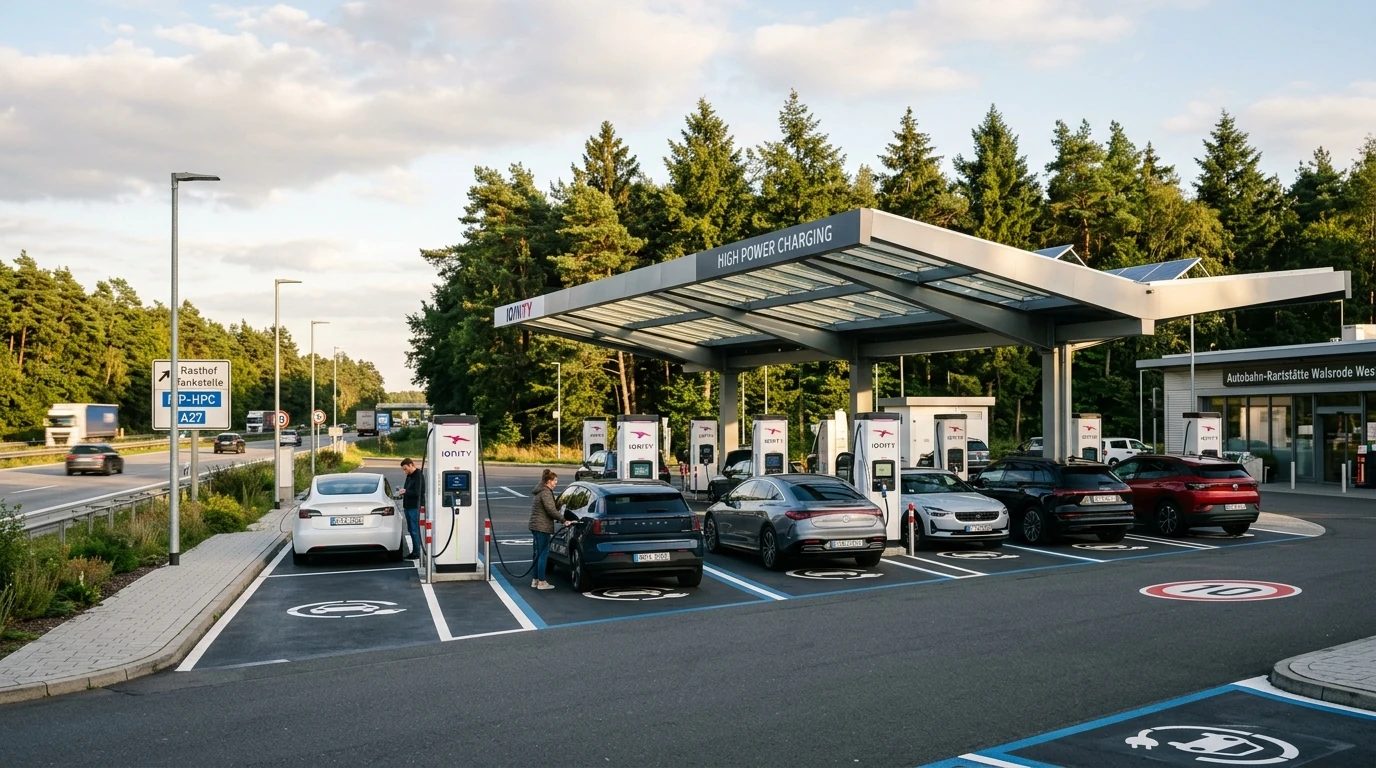
Figure 6: Infrastructure deployment milestones: 4,239 operational stations in China as of March 5, 2026, progressing toward domestic and overseas targets. (Source: BYD Official Releases [SRC-BYD-001, SRC-DENZA-EU-001])
08 Why Battery Generations Will Coexist Across Markets: Structural Drivers of Ecosystem Migration
Across international jurisdictions, technological generational shifts do not happen instantaneously. Generational coexistence is driven by several structural factors:
• Vehicle Lifecycle Cadence and Homologation Timelines:
Modifying an existing global vehicle platform’s battery pack and power electronics requires repeating regional crash safety testing, electrical certifications, and environmental homologation, creating natural lead times between markets;
• Charging Network Deployment Density:
High-power charging requires matched vehicle and charging hardware. Until dedicated FLASH networks achieve sufficient geographic density in a given region, vehicle replenishment rates remain bounded by existing public charging terminal outputs;
• BOM Manufacturing Economics and Segment Positioning:
Highly amortized production lines for first-generation Blade Battery configurations deliver exceptional cost efficiencies, providing compelling value for price-sensitive, mass-market urban commuter segments;
• International Service and Diagnostic Tooling Rollout:
Overseas dealer networks require progressive training, specialized high-voltage diagnostic tools, and safety certifications to support megawatt-class architectures, favoring a phased deployment strategy.

Figure 7: Structural drivers of multi-generational battery coexistence across domestic and overseas passenger vehicle segments. (FYZSXNB Comparative Analysis)
09 Russia and Cold-Climate Markets: Technical Relevance vs. Operational Availability
In cold-climate regions such as Russia, Central Asia, and the Nordic countries—where winter temperatures frequently drop below -20°C to -30°C—it is critical to distinguish electrochemical capability from local infrastructure reality.
9.1 Technical Relevance of Cold-Climate Performance
The demonstrated ability of Blade Battery 2.0 to charge from 20% to 97% in 12 minutes at -30°C under test conditions offers significant engineering relevance for high-latitude regions, where reduced internal resistance addresses traditional cold-weather charging sluggishness.
9.2 Practical Availability and Procurement Considerations
• Model Verification: Importers and vehicle purchasers must verify the exact battery specification of individual vehicle VINs via official documentation, rather than assuming universal generational deployment;
• Station Infrastructure Constraints: Current public charging networks in cold-climate export markets primarily comprise standard DC fast chargers and AC destination points. Without local 1,500 kW FLASH hardware, real-world charging duration is determined by available station output;
• General Vehicle Maintenance Note:
In regions where chemical de-icing agents and road salts are heavily utilized during winter, regular inspection of underbody protective coatings and high-voltage wiring harness seals constitutes a sound, universally applicable vehicle maintenance practice.
10 Conclusion: Moving from Cell Parameters to a Vehicle–Charger–Storage–Grid Ecosystem
The evolution of electric vehicle technology demonstrates that single-metric cell breakthroughs rarely transform user experience in isolation.
The engineering significance of BYD Blade Battery 2.0 lies not in a singular charging headline, but in BYD’s systemic integration of micro-scale ion kinetics (FlashPass), whole-vehicle thermal management, 1,500 kW FLASH Chargers, on-site ultra-fast-discharge storage buffers, and global network deployment into a cohesive, closed-loop ecosystem.
Globally, market transition is not a rigid binary divide, but a multi-stage migration across vehicle portfolios and regional infrastructure ecosystems. The key benchmark to observe across international markets is the progressive deployment density of Blade Battery 2.0 and its accompanying FLASH infrastructure network.
Controlled Claims & Primary Source Index
• : Replenishment from 10% to 70% in 5 minutes under ambient test conditions. (Source: BYD Official Launch [SRC-BYD-001])
• : Replenishment from 10% to 97% in 9 minutes under ambient test conditions. (Source: BYD Official Launch [SRC-BYD-001])
• : Replenishment from 20% to 97% in 12 minutes under -30°C test conditions. (Source: BYD Official Launch [SRC-BYD-001])
• : FLASH Charger single-connector maximum rated power reaches up to 1,500 kW (Chinese-market specification). (Source: BYD Official Launch [SRC-BYD-001])
• : Energy density increased by >5% vs. original Blade; combined with vehicle-level optimization, DENZA Z9GT achieved 1036 km CLTC range. (Source: BYD Official Launch [SRC-BYD-001])
• : Official documentation continues to classify Blade Battery 2.0 within the lithium iron phosphate (LFP) framework. (Source: BYD Global Media [SRC-BYD-GLOBAL-001])
• : Blade Battery 2.0 features the FlashPass Ion Transport System (Flash-Release cathode, Flash-Flow electrolyte, Flash-Intercalate anode with perpendicular graphite, and self-repairing SEI). (Source: BYD Technical Whitepaper [SRC-BYD-002])
• : Cells exhibited zero thermal runaway, smoke, or fire during simultaneous charging and nail penetration after 500 FLASH cycles. (Source: BYD Technical Whitepaper [SRC-BYD-002])
• : Battery pack passed bottom-impact testing at 10× new national standard impact force (manufacturer claim). (Source: BYD Technical Whitepaper [SRC-BYD-002])
• : In a 4-cell short-circuit test with temperatures exceeding 700°C, pack exhibited zero fire or explosion. (Source: BYD Technical Whitepaper [SRC-BYD-002, SRC-BYD-GLOBAL-001])
• : Official warranty capacity-retention performance improved by 2.5% vs. original Blade Battery. (Source: BYD Official Launch [SRC-BYD-001])
• : 4,239 FLASH Charging Stations commissioned in China as of March 5, 2026; target of 20,000 stations by end-2026. (Source: BYD Official Launch [SRC-BYD-001])
• : FLASH stations utilize on-site ultra-fast-discharge storage buffers to mitigate instantaneous grid load. (Source: BYD Technical Whitepaper [SRC-BYD-002])
• : European-spec DENZA Z9GT confirmed to feature Blade Battery 2.0 and FLASH Charging. (Source: DENZA European Press Release [SRC-DENZA-EU-001])
• : Announcement on April 8, 2026 of plans to deploy 6,000 FLASH stations outside China within the next 12 months (3,000 in Europe). (Source: DENZA European Press Release [SRC-DENZA-EU-001])