Over the past three years, the landscape of the automotive market across the Russian Federation has undergone a profound structural evolution. While early waves of Chinese vehicle exports primarily focused on accessible, compact passenger cars, recent market developments demonstrate a decisive shift toward higher-tier, premium-oriented platforms. Leading this transition is the Geely Monjaro (marketed in the Chinese domestic market as the Xingyue L / 吉利星越L), a flagship mid-size crossover developed on the globally engineered Compact Modular Architecture (CMA).
As tens of thousands of Monjaro units—delivered through both authorized distribution channels and parallel importation networks—accumulate extensive operational mileage across diverse regional climates and severe winter driving conditions, the ownership cycle is entering a critical aftermarket maturity phase. For vehicle owners, independent service facilities, and cross-border logistics operators, the vehicle’s sophisticated electro-mechanical systems, multi-screen digital cockpit, and advanced drivetrain present a new set of operational opportunities and technical requirements.
This automotive intelligence report analyzes the engineering foundation of the Geely Monjaro, examines the practical maintenance requirements dictated by severe sub-zero operating environments, reviews the emergence of dedicated Russian localization services, and evaluates how specialized Chinese supply chains are expanding beyond basic component replacement to support comprehensive, long-term vehicle lifecycles.
## 1. Introduction: The Evolution Toward Premium Chinese SUVs
The operational departure and structural scale-back of traditional European, Japanese, and Korean automotive manufacturers created an immediate shift in the 3.5 to 5.0 million Ruble price segment. Historically, this territory was occupied by established mid-size crossovers such as the Volkswagen Tiguan, Volkswagen Touareg, Volvo XC60, and Audi Q5. Discerning private buyers and commercial fleet operators increasingly sought vehicles that combined robust mechanical foundations, active safety systems, and modern digital interfaces without compromising overall build quality.
In this evolving market, the Geely Monjaro has emerged as an appealing alternative for consumers considering higher-segment SUVs. Rather than competing primarily on aggressive pricing, the Monjaro positioned itself on structural rigidity, refined driving dynamics, and a drivetrain configuration engineered for demanding operational conditions. However, the rapid expansion of advanced, electronically complex vehicles highlights an essential industry reality: initial vehicle sales represent only the first stage of international market expansion; sustained commercial success and long-term brand equity depend entirely on the agility, technical competence, and parts availability of the downstream aftermarket ecosystem.
## 2. CMA Architecture and Engineering Fundamentals
To understand the maintenance and service profile of the Geely Monjaro, technical managers and service professionals must examine its structural platform. The vehicle is built on the Compact Modular Architecture (CMA), an internationally collaborative vehicle platform developed within the Geely Holding Group’s global engineering strategy.
| Sub-system / Component | Engineering Configuration |
|---|---|
| Vehicle Platform | CMA (Compact Modular Architecture) Transverse Layout |
| Internal Combustion Engine | Drive-E Series 2.0TD High-Output Turbocharged Four-Cylinder |
| Fuel Injection System | Center-Mounted High-Pressure Direct Injection |
| Transmission System | Aisin 8-Speed Transverse Torque-Converter Automatic Transmission |
| All-Wheel Drive (AWD) | BorgWarner 6th-Generation Electro-Hydraulic Intelligent Coupling |
| Chassis & Suspension | Front MacPherson Strut / Rear Multi-Link Independent Suspension |
| Cockpit Computing Platform | Qualcomm Snapdragon 8155 Automotive Processor powering Triple Digital Displays |
The CMA platform emphasizes high torsional rigidity, balanced weight distribution, and integrated crash-energy dissipation pathways. Mechanically, the Monjaro adopts a transverse powertrain layout featuring a 2.0-liter direct-injection turbocharged engine paired with an Aisin 8-speed torque-converter automatic transmission and a BorgWarner 6th-generation all-wheel-drive system.
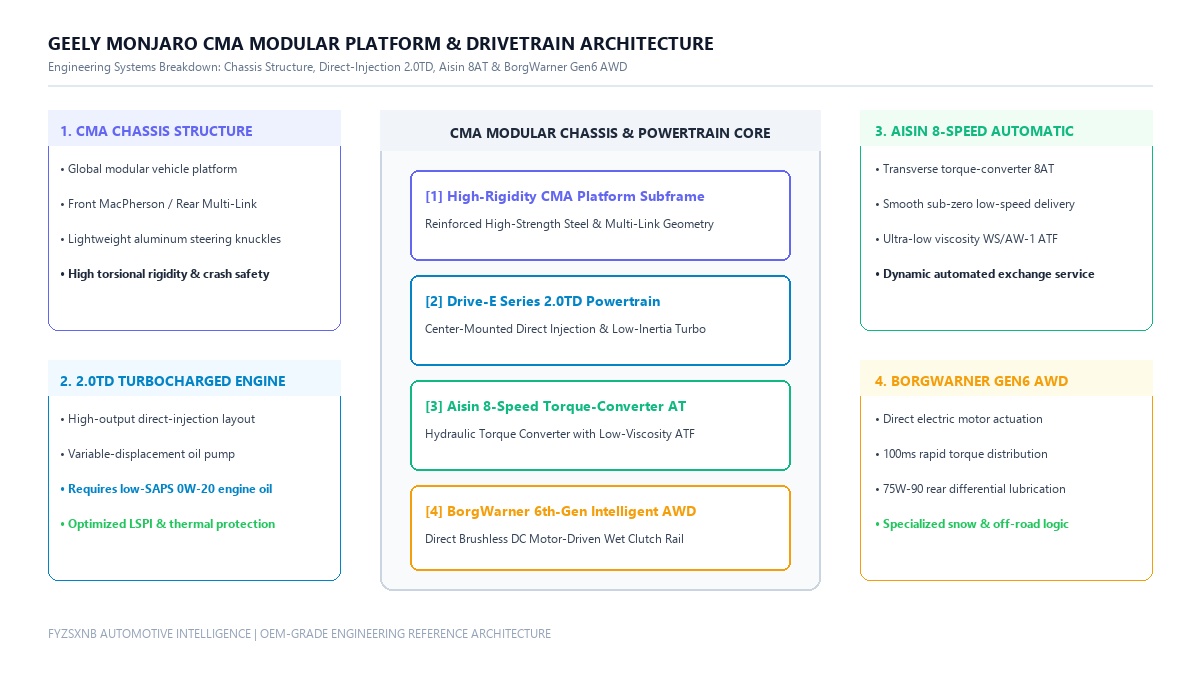
In contrast to dual-clutch transmission (DCT) setups common in mass-market crossovers, the hydraulic torque converter in the 8-speed automatic offers notable mechanical tolerance, smooth low-speed torque multiplication, and effective thermal buffering during low-speed snow extraction or prolonged urban congestion. However, realizing the full longevity potential of this architecture requires careful attention to precision lubrication standards and structured servicing routines.
## 3. Winter Operating Realities and Precision Maintenance Standards
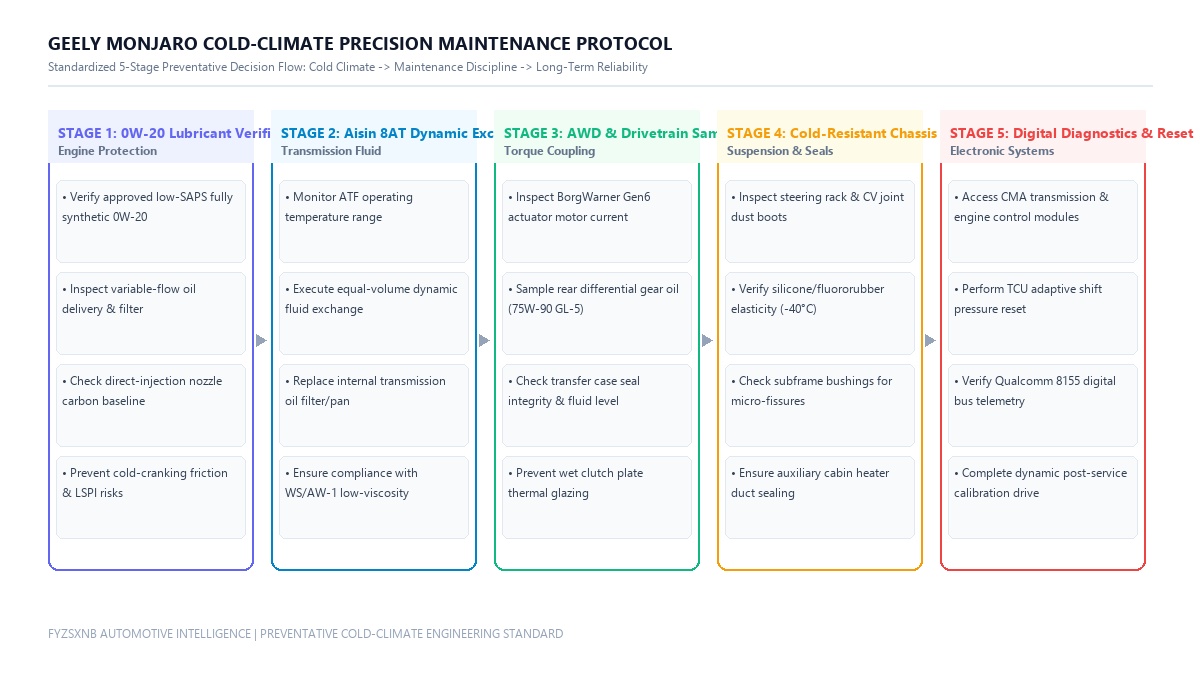
Operating a high-output turbocharged vehicle in Russian climatic conditions—where ambient winter temperatures regularly fall below -20°C in western regions and drop past -35°C in Ural and Siberian territories—creates substantial thermal and mechanical demands on lubricants, hydraulic fluids, and rubber components. In these demanding conditions, vehicle durability is heavily influenced by the discipline of preventative maintenance.
3.1 Engine Lubrication and Direct Injection Care
The 2.0TD engine features tight mechanical tolerances, variable-flow oil delivery, and high-pressure fuel injectors positioned directly within the combustion chamber. To facilitate rapid oil circulation during sub-zero cold cranking and protect against Low-Speed Pre-Ignition (LSPI), the engine relies on manufacturer-approved low-viscosity, low-SAPS fully synthetic engine oils (specifically high-performance 0W-20 formulations) engineered for modern direct-injection turbocharged powerplants.
In third-party service environments, applying older-generation, high-viscosity lubricants (such as heavy 5W-40 oils) during winter months can impede hydraulic variable valve timing response, delay oil delivery to turbocharger bearings upon cold start, and increase deposit accumulation on fuel injector tips. Professional workshops operating in cold regions increasingly maintain dedicated supplies of approved low-viscosity formulations.
3.2 Aisin 8-Speed Automatic Transmission Servicing
While the Aisin 8-speed automatic transmission is recognized for mechanical resilience, severe sub-zero temperatures temporarily alter fluid viscosity. During cold starts, the Transmission Control Unit (TCU) activates programmed shift-timing and converter-slip routines until the transmission reaches nominal operating temperatures. Routine maintenance considerations include:
- Fluid Specification Compliance: The transmission requires ultra-low viscosity Automatic Transmission Fluid (ATF) formulated to modern WS or AW-1 low-viscosity standards. Using non-compliant universal fluids can alter internal clutch friction characteristics, resulting in harsh cold-temperature shifting.
- Dynamic Fluid Exchange: Because torque converters and internal coolers retain substantial fluid volume, dynamic fluid replacement utilizing automated service equipment (ensuring simultaneous equal-volume exchange at monitored temperatures) provides more comprehensive fluid renewal than basic gravity draining.
- Adaptation Reset: Following fluid renewal or valve body servicing, clearing learned TCU shift adaptations allows the transmission control module to recalibrate solenoid engagement pressures smoothly.
3.3 BorgWarner 6th-Generation AWD System Upkeep
The BorgWarner Gen6 all-wheel-drive system utilizes an integrated electric motor that directly actuates the hydraulic piston against the multi-plate wet clutch pack. This configuration eliminates earlier accumulator designs, achieving fast torque distribution response to maintain stability on icy roads. Frequent winter torque transfers and high-load snow driving generate thermal cycles within the compact rear differential assembly. Preventative inspection of differential gear oils and dedicated AWD coupling fluids according to manufacturer guidelines protects against premature friction material glazing and actuator strain.
## 4. The Infotainment and Telematics Localization Ecosystem
A defining attribute of modern Chinese vehicles is their advanced digital architecture. The Geely Monjaro features an expansive triple-screen display across the dashboard, powered by a centralized Qualcomm Snapdragon 8155 automotive-grade processor. For vehicles entering the market through non-domestic distribution channels, bridging the gap between original software configurations and local consumer expectations has driven the growth of a dedicated technical service sector.
4.1 Multi-Screen Software and Russian Interface Adaptation
Vehicles configured for the Chinese domestic market arrive with software tailored to regional telecommunications carriers and native language menus. In the Monjaro, the centralized Android-based operating system controls not only media playback but also vehicle comfort settings, active safety configurations, Head-Up Display (HUD) parameters, and climate controls.
A growing commercial localization service ecosystem—including specialized engineering teams such as GMCustoms, Encars, and independent software developers—has emerged across major metropolitan areas. These specialists provide custom software packages that offer:
- Comprehensive Interface Translation: Native Cyrillic localization across the digital instrument cluster, central control display, and passenger entertainment screen, preserving original graphic design layouts and menu structures.
- Localized Navigation & Media Integration: Integration of popular regional applications, including Yandex.Navigator and local streaming audio services, enabling real-time traffic visualization, lane guidance, and speed limit notifications.
- Instrument Cluster and HUD Synchronization: Maintaining seamless graphical turn-by-turn navigation data on both the instrument panel and the windshield projection display without introducing interface lag.
4.2 Satellite Positioning and Connectivity Enhancements
In northern latitudes and dense urban environments, original passive antenna setups may encounter slower satellite acquisition times when navigating regional networks. To ensure reliable positioning accuracy, local technical specialists often install active dual-mode GPS/GLONASS antenna signal amplifiers alongside modified connectivity interfaces that integrate with local cellular networks.
## 5. High-Value Chinese Supply Chain Opportunities
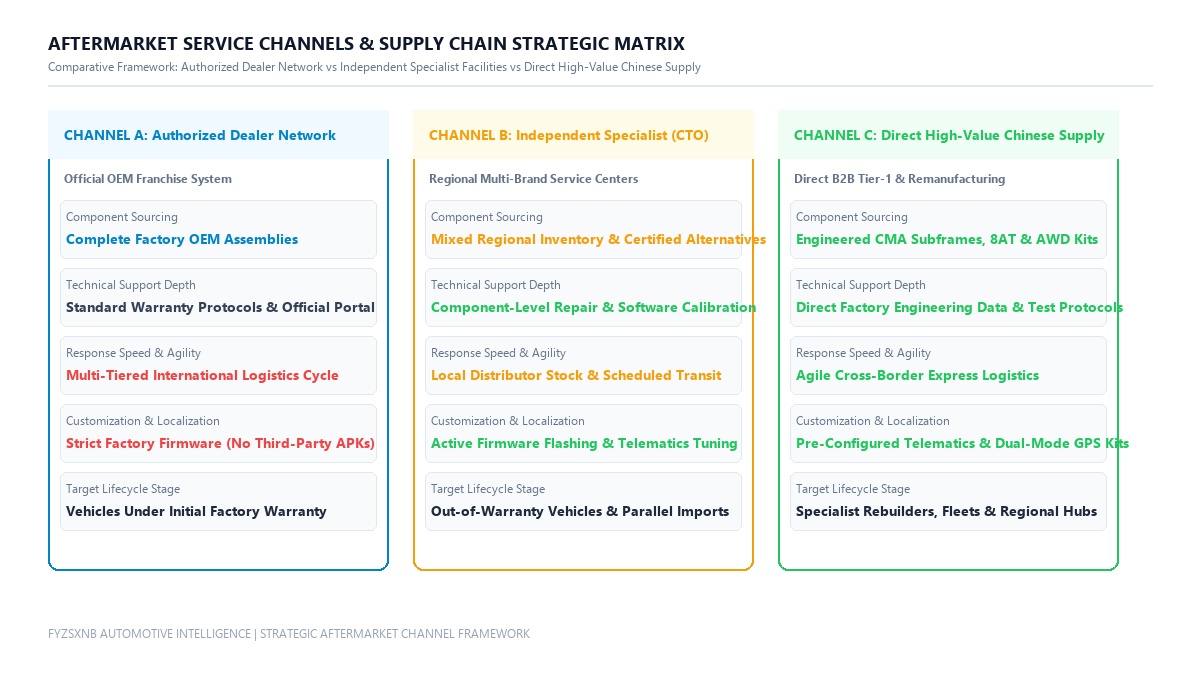
As the operating Monjaro fleet matures, cross-border automotive component trade is experiencing a significant qualitative transition. The initial era of generic, low-cost replacement parts is giving way to high-value, precision-engineered, and certified component solutions sourced directly from Tier-1 and specialized manufacturing suppliers in China.
| Component Category | Traditional Intermediary Channel | Direct High-Value Chinese Supply Channel |
|---|---|---|
| Chassis & Suspension Parts | Limited local stock; elevated logistics markups on imported European-specification control arms | Direct supply of high-strength forged aluminum control arms, subframe bushings, and cold-resistant (-40°C) silicone dust boots |
| Transmission & Drivetrain Components | Tendency toward complete gearbox replacement; extended lead times for sub-assemblies | Component-level sourcing: 8-speed automatic solenoid packs, multi-disc friction kits, AWD actuator motors, and transfer case seals |
| Electronic & Localization Hardware | Scattered availability; potential software version mismatches | Pre-configured telematics hardware, active GLONASS amplifier kits, and dedicated vehicle diagnostic interface dongles |
| Body Panels & Optical Systems | High freight costs and extended transit times through traditional multi-tier routes | Direct specialized freight for factory-spec matrix LED headlamp assemblies, pre-painted body panels, and reinforced bumper reinforcements |
By building direct B2B supply relationships with specialized Chinese automotive suppliers, independent repair facilities can secure precision mechanical parts and verified electronic assemblies with substantially shorter procurement cycles compared with traditional multi-tiered overseas logistics channels. This direct supply channel minimizes vehicle downtime while maintaining original operational standards.
## 6. Why the Aftermarket Matters: The Three Stages of Chinese Automotive Globalization
The long-term trajectory of Chinese automotive brands in international markets is defined by a progressive evolutionary model consisting of three distinct phases:
- Stage 1: Vehicle Export and Initial Market Entry: The primary objective during this phase centers on unit delivery, competitive vehicle pricing, and rapid distribution network establishment. Success is measured by monthly registration volume.
- Stage 2: Service Infrastructure and Quality Consolidation: As vehicles surpass typical warranty periods, focus shifts toward workshop technical competency, diagnostic software accessibility, and regional spare parts warehousing. Success is measured by repair turnaround times and customer satisfaction.
- Stage 3: Comprehensive Ecosystem and Brand Equity: In this mature phase, the automotive manufacturer and its associated aftermarket partners create a self-sustaining ecosystem encompassing remanufacturing, certified pre-owned channels, digital service ecosystems, and stable vehicle residual values.
The Geely Monjaro represents a crucial transition point from Stage 1 to Stage 2. Establishing reliable, accessible maintenance infrastructure and component supply is what transforms an imported vehicle from a short-term commercial opportunity into an enduring, respected brand presence.
## 7. Operational Limitations and Maintenance Boundaries
While the Geely Monjaro offers substantial structural and mechanical capabilities, automotive service managers and vehicle owners must observe established operational and maintenance boundaries:
- Software and Firmware Integrity: Multimedia flashing and telematics modifications should always utilize verified, stable software builds. Improper installation procedures carry the risk of disrupting high-speed vehicle network communications, potentially causing unexpected Active Driver Assistance System (ADAS) warnings or body control module communication faults.
- Diagnostic Protocol Compatibility: In-depth diagnosis of CMA platform electronics requires scan tools equipped with up-to-date protocol definitions. Generic OBD-II code readers may fail to access deeper diagnostic layers, such as individual transmission solenoid pressures or AWD clutch engagement percentages.
- Severe Climate Preventative Checks: In sustained extreme cold temperatures (-30°C and below), periodic inspection of steering rack boots, suspension ball joints, and auxiliary cabin heating systems is recommended to prevent moisture intrusion and premature component wear.
## Conclusion: Building a Sustainable Full-Lifecycle Ecosystem
The widespread presence of the Geely Monjaro across the Russian automotive market illustrates the increasing sophistication and global competitiveness of contemporary Chinese premium automotive engineering. By combining the internationally engineered CMA platform, a robust 2.0TD powertrain, a dependable 8-speed automatic transmission, and an advanced digital cockpit, the Monjaro has established a clear benchmark for product substance.
However, true commercial longevity is decided in the aftermarket. By uniting disciplined, specification-compliant maintenance practices with specialized software localization and agile, high-value component supply lines from China, the automotive industry is successfully evolving from simple vehicle sales into a resilient, full-lifecycle service ecosystem.
This intelligence report is published by FYZSXNB Automotive Intelligence, delivering comprehensive cross-border automotive technical research, diagnostic frameworks, and supply chain analysis.